
Politics
REVEALED: How Kwankwaso, Atiku and Obi’s Emerging Alliance Could Reshape Nigeria’s 2027 Power Battle
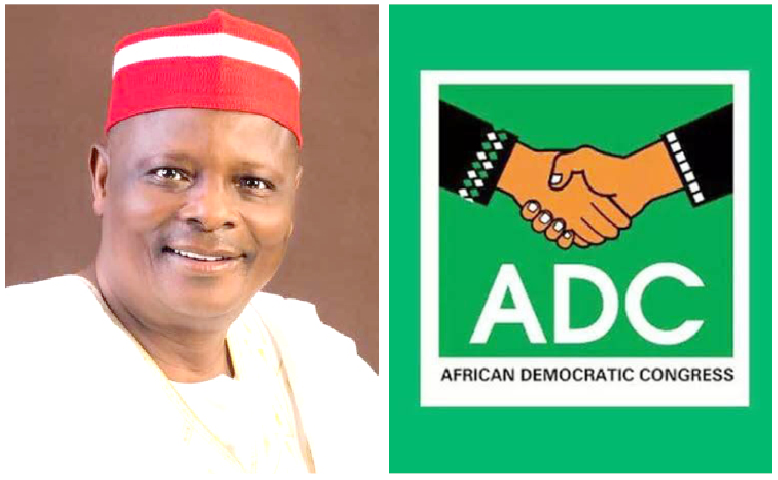
In Nigeria’s ever-shifting political chessboard, a quiet but consequential realignment is gathering momentum—one that could redefine the contours of the 2027 presidential race and pose the most coordinated challenge yet to President Bola Ahmed Tinubu.
At the heart of this unfolding drama are three of the country’s most formidable opposition figures, Rabiu Musa Kwankwaso, Atiku Abubakar and Peter Obi, whose reported convergence signals more than a political handshake; it suggests a strategic recalibration of opposition politics ahead of the next general elections.
The move, according to report is “bound to inject life into opposition politics in Nigeria ahead of 2027 general elections,” as discussions intensify around a possible alliance to confront the ruling All Progressives Congress (APC).
For years, Nigeria’s opposition has been fragmented, divided by ideology, ambition, and regional loyalties. But the lessons of the 2023 elections, where split votes weakened their collective strength, appear to be forcing a rethink.
Both Atiku and Obi have already gravitated toward the African Democratic Congress; a platform increasingly viewed as a neutral ground for coalition-building. Their alignment, coupled with Kwankwaso’s political machinery rooted in the Kwankwasiyya movement, could create a formidable electoral bloc.
Individually, each of the trio commands a loyal base. Together, they represent a cross-regional spread that cuts across the North-West, North-East, and South-East—arguably the very coalition needed to mount a serious national challenge.
Kwankwaso’s grassroots influence in Kano and beyond, Atiku’s longstanding political network, and Obi’s urban youth appeal form a blend of structure, experience, and momentum.
But alliances in Nigerian politics are rarely just about numbers—they are about negotiation, concessions, and power-sharing formulas.
While the talks signal hope for a united opposition, they are also laced with uncertainty.
Questions persist: Who leads the ticket? Who steps down? And can long-standing political egos be subordinated for a common goal?
Recent developments suggest that even within emerging coalition platforms, tensions linger over candidacy and positioning. Analysts note that any alliance that fails to resolve these internal contradictions early risks collapsing under its own weight.
For President Tinubu, the looming coalition presents both a threat and an opportunity.
Incumbency remains a powerful advantage control of state machinery, party structure, and national visibility. Yet, a united opposition could neutralise these benefits by consolidating dissenting voices into a single electoral force.
The president’s political strategy in the coming months will likely be shaped by how credible and cohesive this opposition front becomes.
Ultimately, the emerging alliance reflects a broader truth: Nigerian politics is entering a phase where fragmentation may no longer be sustainable for that outside power.
Whether this coalition matures into a disciplined political force or dissolves into familiar rivalries will determine not just the fate of its principal actors, but the direction of Nigeria’s democratic contest in 2027.
For now, one thing is clear, the race has quietly begun, and the opposition is learning, perhaps belatedly, that in politics, unity is not just strength; it is survival.


Deadline Looms as Tinubu’s Ministers Hold on to Offices

REVEALED: How Kwankwaso, Atiku and Obi’s Emerging Alliance Could Reshape Nigeria’s 2027 Power Battle

Why I Opted Out for Quiet Birthday – Tinubu

BREAKING: Kwankwaso Dumps NNPP, Signals Fresh Political Alignment Ahead of 2027

Iran-Linked Hackers Hacks FBI Director Kash Patel’s Email, Leak Personal Files

ICPC Frees El-Rufai to Bury Mother, Returns Home Amid Trial

Tinubu Rejects One Party State Claims, Issues Strong Statement

Confusion After El‑Rufai’s Son Tweets Father’s Release, Then Deletes It

APC Unveils New NWC at National Convention

Inside Lagos APC’s 2027 Zoning Conversations: Who Replaces Gov. Sanwo-Olu ?

Post-Trump Era: Republicans Position Vance, Rubio as Future Party Leaders

CBN Blacklists Top Loan Defaulters, Bars Them from New Credit

ASUU Issues Four-Day Ultimatum to FG Over New Salary Structure

GROUNDREAKING: 32 Governors, over 8,400 Delegates Converge on Abuja for APC Convention

Atiku to AGF: OPL 245 Dispute Still Alive Despite FG Claims

“Obi! Kwankwaso!”: Sallah Rally in Kano Turns Political as Crowd Erupts in Chants

Court Orders Arrest of PDP Factional Chairman, Turaki Over Police‑Filed Case
Atiku to AGF: OPL 245 Dispute Still Alive Despite FG Claims

LP Shuts Out North, Zones 2027 Presidential Ticket to South
Iran-Linked Hackers Hacks FBI Director Kash Patel’s Email, Leak Personal Files
ICPC Frees El-Rufai to Bury Mother, Returns Home Amid Trial
CBN Blacklists Top Loan Defaulters, Bars Them from New Credit
Why I Opted Out for Quiet Birthday – Tinubu

APC Opens 2027 Presidential Ticket to Contest, Says Tinubu Endorsement Not Automatic

SHAKE UP! IG Redeploys AIGs, CPs Nationwide
GROUNDREAKING: 32 Governors, over 8,400 Delegates Converge on Abuja for APC Convention

Hakimi Snubs AFCON Crown, Declares Senegal “True Champions”

No Clause Compels Nigeria to Accept Foreign Deportees in UK Deal – Presidency Fires Back

Security Operatives Raid Malami’s Abuja Home; Atiku’s Visit Preceded Operation
BREAKING: Kwankwaso Dumps NNPP, Signals Fresh Political Alignment Ahead of 2027
-
 Top news4 days ago
Court Orders Arrest of PDP Factional Chairman, Turaki Over Police‑Filed Case
-
 Top news4 days ago
Atiku to AGF: OPL 245 Dispute Still Alive Despite FG Claims
-
 Foreign News2 days ago
Iran-Linked Hackers Hacks FBI Director Kash Patel’s Email, Leak Personal Files
-
 News2 days ago
ICPC Frees El-Rufai to Bury Mother, Returns Home Amid Trial
-
 Business4 days ago
CBN Blacklists Top Loan Defaulters, Bars Them from New Credit