
Top news
Darkness, Debt and Broken Promises: Inside Nigeria’s Power Crisis Fueling Calls for Adelabu’s Sack
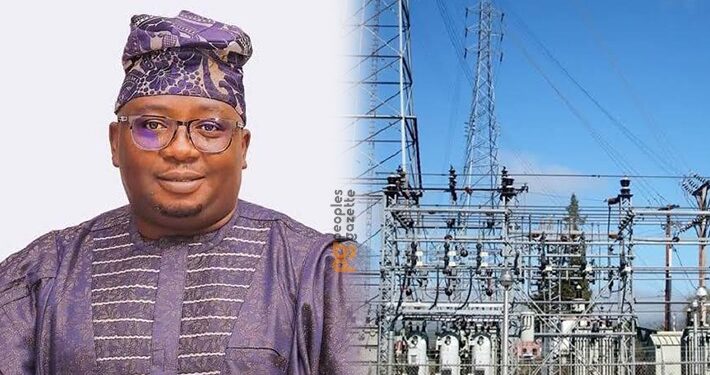
Nigeria’s power sector is once again at a breaking point, plunged into darkness, choked by debt, and rattled by a growing chorus of voices demanding accountability at the highest levels of government.
Across homes, markets, and industries, the story is the same: erratic supply, soaring tariffs, and a grid that seems perpetually on the brink. For millions of Nigerians, electricity has become not just unreliable but almost mythical.
At the centre of the storm is the Minister of Power, Adebayo Adelabu, now facing mounting pressure to step aside as frustration boils over.
The crisis is neither sudden nor simple. Nigeria’s electricity sector has long struggled under the weight of structural decay crippled infrastructure, gas shortages, and a suffocating debt burden running into trillions. Even with an installed capacity of over 13,000 megawatts, actual generation continues to fall far below demand, leaving citizens to depend heavily on generators for survival.
Recent weeks have only deepened the despair. Blackouts have stretched for days. Businesses are bleeding. Households are suffocating under heat and rising costs.
In the midst of the worsening crisis, Adelabu’s public apology did little to calm the storm, instead, it ignited it. Describing the outages as a “temporary issue” caused by “factors beyond our control,” the minister sought patience from Nigerians.
However, for many, those words struck a nerve. Energy expert Tola Winjobi dismissed such assurances as “future-impossible tense,” capturing the deepening distrust among citizens who have heard similar promises for decades.
The backlash was swift and fierce. Critics argue that apologies cannot substitute for power, nor can rhetoric light up homes or revive dying businesses.
Yet, even as outrage spreads, the minister continues to project optimism. “I believe we are on a positive trajectory,” Adelabu said, insisting that ongoing reforms will soon yield results and that electricity supply could improve in the near term.
He added that recent interventions, including efforts to boost gas supply would begin to stabilise generation. But the gap between promise and lived reality remains wide.
Gas supply constraints, unpaid debts to generation companies, and systemic inefficiencies continue to drag the sector down. At one point, electricity output fell below 4,000 megawatts—far short of national needs.
As the crisis deepens, attention is shifting to the presidency. Analysts, industry stakeholders, and frustrated citizens are increasingly calling on President Bola Tinubu to take decisive action—arguing that leadership changes may be necessary to reset the sector.
For them, the issue is no longer just about policy failure—it is about urgency, credibility, and trust.
But beneath the political tension lies a harder truth: Nigeria’s electricity crisis is deeply entrenched. Decades of underinvestment, policy inconsistency, and institutional weakness have left the sector fragile and reactive. And while reforms have been promised repeatedly, progress has remained painfully slow.
In the end, the consequences are measured not just in megawatts—but in livelihoods. Factories shut down. Students read in darkness. Small businesses collapse under the weight of fuel costs.
Across the country, a familiar question echoes louder than ever: how long can a nation endure without light?
For now, Nigerians wait—caught between promises of reform and the stubborn reality of darkness.


Experts Share 14 Practical Ways to Make Your Easter Holidays Memorable

ADC Kicks Against INEC Move, Alleges Political Pressure Over Leadership Delisting

Nigeria Douses Diplomatic Tension, Apologises to South Africa Over ‘Igbo King’ Row

Defections Rock Green Chamber as 28 Lawmakers Switch Parties Ahead of Primaries

Darkness, Debt and Broken Promises: Inside Nigeria’s Power Crisis Fueling Calls for Adelabu’s Sack

Nigeria Secures Diplomatic Green Light from 10 Nations as Envoys Await Final Clearance

Chaos in South Africa as Protests Over Alleged Igbo King Coronation Turn Violent

2027 Race Gathers Steam as Two Ministers Quit Cabinet to Chase Electoral Ambitions

Deadline Looms as Tinubu’s Ministers Hold on to Offices

REVEALED: How Kwankwaso, Atiku and Obi’s Emerging Alliance Could Reshape Nigeria’s 2027 Power Battle

Why I Opted Out for Quiet Birthday – Tinubu

BREAKING: Kwankwaso Dumps NNPP, Signals Fresh Political Alignment Ahead of 2027

Iran-Linked Hackers Hacks FBI Director Kash Patel’s Email, Leak Personal Files

ICPC Frees El-Rufai to Bury Mother, Returns Home Amid Trial

Tinubu Rejects One Party State Claims, Issues Strong Statement

Court Orders Arrest of PDP Factional Chairman, Turaki Over Police‑Filed Case

Atiku to AGF: OPL 245 Dispute Still Alive Despite FG Claims

LP Shuts Out North, Zones 2027 Presidential Ticket to South
Iran-Linked Hackers Hacks FBI Director Kash Patel’s Email, Leak Personal Files
ICPC Frees El-Rufai to Bury Mother, Returns Home Amid Trial
Why I Opted Out for Quiet Birthday – Tinubu

CBN Blacklists Top Loan Defaulters, Bars Them from New Credit

GROUNDREAKING: 32 Governors, over 8,400 Delegates Converge on Abuja for APC Convention
REVEALED: How Kwankwaso, Atiku and Obi’s Emerging Alliance Could Reshape Nigeria’s 2027 Power Battle
Deadline Looms as Tinubu’s Ministers Hold on to Offices
BREAKING: Kwankwaso Dumps NNPP, Signals Fresh Political Alignment Ahead of 2027

SHAKE UP! IG Redeploys AIGs, CPs Nationwide

Nike Unveils Bold New Super Eagles Kits for 2026 Season

Security Operatives Raid Malami’s Abuja Home; Atiku’s Visit Preceded Operation

Loud Explosion Rocks Jerusalem as Iran Bombs Israel
-
 Foreign News5 days ago
Iran-Linked Hackers Hacks FBI Director Kash Patel’s Email, Leak Personal Files
-
 News5 days ago
ICPC Frees El-Rufai to Bury Mother, Returns Home Amid Trial
-
 News4 days ago
Why I Opted Out for Quiet Birthday – Tinubu
-
 Politics3 days ago
REVEALED: How Kwankwaso, Atiku and Obi’s Emerging Alliance Could Reshape Nigeria’s 2027 Power Battle
-
 Politics3 days ago
Deadline Looms as Tinubu’s Ministers Hold on to Offices