
News
Calculated Gamble: Obi–Kwankwaso’s Plot to Unseat Tinubu in 2027 Uncovered
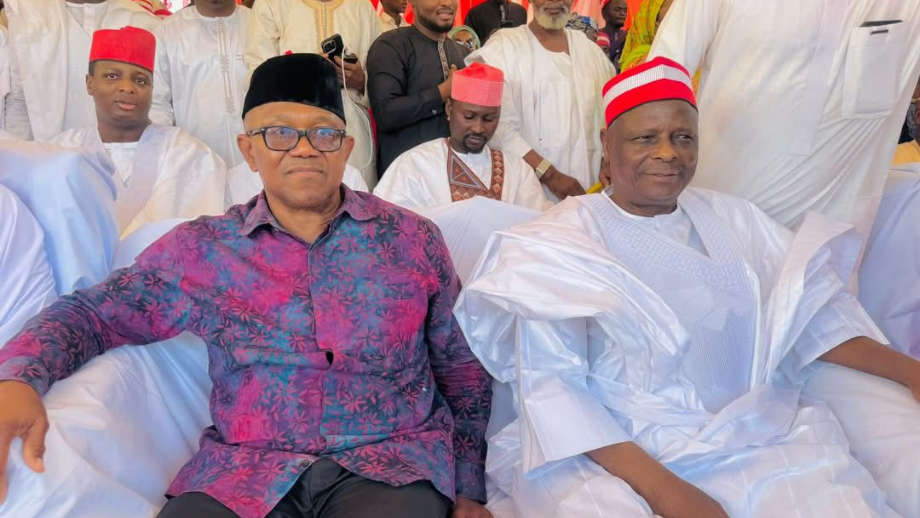
Emerging political moves ahead of the 2027 general elections suggest that talks between Peter Obi and Rabiu Musa Kwankwaso may go beyond routine consultations, pointing instead to a calculated attempt to build a formidable opposition front against President Bola Ahmed Tinubu.
Obi’s recent Sallah visit to Kwankwaso in Kano has triggered fresh scrutiny, not merely for its optics but for what insiders describe as a quiet but deliberate alignment of political interests ahead of the next electoral cycle.
Supporters were heard chanting “Obi-Kwankwaso” during the visit.
While such chants may appear spontaneous, analysts argue they often reflect pre-existing political signals, carefully nurtured to test public reception to a potential joint ticket.
On the surface, the meeting was framed as a courtesy visit. However, in Nigeria’s political culture, symbolic gestures often precede strategic negotiations. The convergence of Obi’s southern support base and Kwankwaso’s northern grassroots machinery presents a potentially disruptive electoral equation—one capable of recalibrating existing power blocs.
Both men command loyal followings – Obi’s “Obidients” and Kwankwaso’s Kwankwasiyya movement, raising the stakes of any alliance that successfully merges these constituencies.
Beyond public appearances, there are indications that broader coalition talks may be underway, with smaller parties and influential political actors reportedly exploring a common platform.
The African Democratic Congress (ADC) has been mentioned in political circles as a possible vehicle for such an alliance, suggesting that the discussions may already be moving from informal engagement to structural planning.
At the elite level, the involvement of political heavyweights is also being speculated, reinforcing the idea that the talks are part of a wider orchestration rather than an isolated interaction.
Any emerging coalition would ultimately be aimed at unseating an incumbent president—a task historically fraught with difficulty in Nigeria’s political system.
President Tinubu’s position comes with entrenched advantages, including institutional control, party reach, and access to state resources. For Obi and Kwankwaso, the challenge is not just forming an alliance, but sustaining one capable of withstanding internal pressures and external resistance.
Despite growing speculation, significant questions remain unresolved. Chief among them is the issue of leadership—who takes the presidential slot and who concedes—a factor that has historically fractured similar alliances.
Moreover, Nigeria’s opposition landscape is littered with failed coalitions that began with strong optics but faltered at the point of negotiation and compromise.
What is unfolding appears to be more than political coincidence. The timing, symbolism, and emerging signals suggest a calculated effort to reshape the opposition ahead of 2027.
Yet, as with many pre-election alignments, the line between strategic coalition-building and political theatre remains thin.
For now, the Obi–Kwankwaso engagement has moved from speculation to scrutiny—offering a glimpse into what could become one of the defining political contests of Nigeria’s next electoral cycle.


Calculated Gamble: Obi–Kwankwaso’s Plot to Unseat Tinubu in 2027 Uncovered

SHAKE UP! IG Redeploys AIGs, CPs Nationwide

Turkey, Egypt, Pakistan to Broker Peace Between US, Iran

LP Shuts Out North, Zones 2027 Presidential Ticket to South

Loud Explosion Rocks Jerusalem as Iran Bombs Israel

Soludo Taps 39 Year Old as Anambra’s First Ever Female SSG

Security Operatives Raid Malami’s Abuja Home; Atiku’s Visit Preceded Operation

BREAKING: Court Sentences Former Ex-AGF to 72-Year Jail Term Over N868m Fraud

Nike Unveils Bold New Super Eagles Kits for 2026 Season

CBN Eyes 9% Inflation Target as Reforms Begin to Ease Price Pressures

“Obi! Kwankwaso!”: Sallah Rally in Kano Turns Political as Crowd Erupts in Chants

Tinubu Ally Firm to Execute N1.4tn Lagos Ports Upgrade Amid Criticism

Truly, Naija No Dey Carry Last

Saudi Arabia Expels Five Iranian Diplomats, Gives Reasons

APC Opens 2027 Presidential Ticket to Contest, Says Tinubu Endorsement Not Automatic
LP Shuts Out North, Zones 2027 Presidential Ticket to South

No Clause Compels Nigeria to Accept Foreign Deportees in UK Deal – Presidency Fires Back
APC Opens 2027 Presidential Ticket to Contest, Says Tinubu Endorsement Not Automatic
“Obi! Kwankwaso!”: Sallah Rally in Kano Turns Political as Crowd Erupts in Chants

Explosion Rocks Imo Community, Leaves Soldier, NSCDC Officer Wounded

Ekiti, Osun Polls Critical Dress Rehearsal for 2027 Elections — INEC Chair Warns
Security Operatives Raid Malami’s Abuja Home; Atiku’s Visit Preceded Operation

Hakimi Snubs AFCON Crown, Declares Senegal “True Champions”

Jehovah’s Witnesses Soften Blood Doctrine, Permit Self-Donation in Major Policy Shift
Saudi Arabia Expels Five Iranian Diplomats, Gives Reasons
CBN Eyes 9% Inflation Target as Reforms Begin to Ease Price Pressures
Loud Explosion Rocks Jerusalem as Iran Bombs Israel
Nike Unveils Bold New Super Eagles Kits for 2026 Season
BREAKING: Court Sentences Former Ex-AGF to 72-Year Jail Term Over N868m Fraud
Truly, Naija No Dey Carry Last
-
 Politics17 hours ago
LP Shuts Out North, Zones 2027 Presidential Ticket to South
-
 Politics4 days ago
No Clause Compels Nigeria to Accept Foreign Deportees in UK Deal – Presidency Fires Back
-
 Politics3 days ago
APC Opens 2027 Presidential Ticket to Contest, Says Tinubu Endorsement Not Automatic
-
 Politics2 days ago
“Obi! Kwankwaso!”: Sallah Rally in Kano Turns Political as Crowd Erupts in Chants
-
 News4 days ago
Explosion Rocks Imo Community, Leaves Soldier, NSCDC Officer Wounded