
Religion
Jehovah’s Witnesses Soften Blood Doctrine, Permit Self-Donation in Major Policy Shift
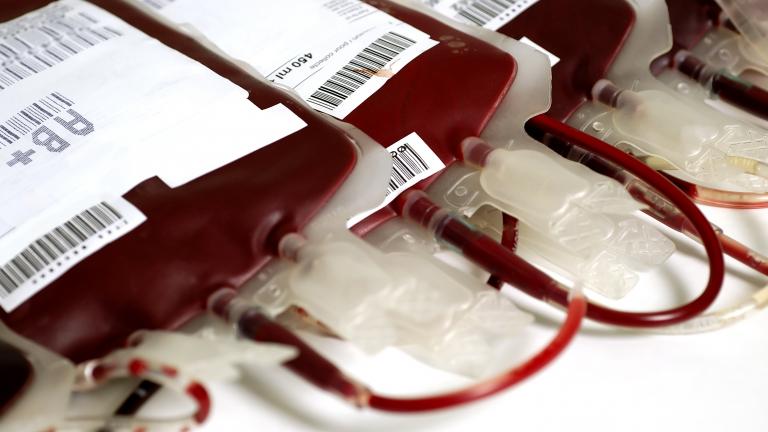
The global leadership of Jehovah’s Witnesses has introduced a significant adjustment to its long-standing doctrine on blood transfusion, now allowing members to decide whether to use their own stored blood for medical treatment.
The policy change, described by the group as a “clarification,” marks a departure from earlier teachings that strictly prohibited both receiving blood and storing one’s own blood for transfusion.
Under the revised guidance, members may choose to have their blood drawn in advance and stored for use during medical procedures such as surgery.
“Each Christian must decide for himself how his own blood will be used,” a member of the Governing Body said in a statement.
He added that the decision now includes whether “to allow his own blood to be removed, stored, and then given back to him.”
Despite the shift, the denomination reaffirmed its core doctrine prohibiting transfusions involving donated blood from others, a stance that has defined the group for decades and continues to set it apart from most Christian denominations.
Historically, Jehovah’s Witnesses have based their rejection of blood transfusion on biblical injunctions to “abstain from blood,” interpreting the command as applying to both consumption and medical use.
The updated position has sparked mixed reactions. While some observers see it as a step toward accommodating modern medical practice, critics argue it does not go far enough, particularly in emergency situations where donor blood may be life-saving.
Medical experts note that using a patient’s own blood—known as autologous transfusion—can reduce risks associated with donor blood, though it requires advance planning and access to appropriate facilities.
With more than nine million adherents worldwide, the development signals a cautious but notable evolution in one of the most debated doctrines within the religious movement, even as its central teaching on the sanctity of blood remains unchanged.


Jehovah’s Witnesses Soften Blood Doctrine, Permit Self-Donation in Major Policy Shift

Hakimi Snubs AFCON Crown, Declares Senegal “True Champions”

No Clause Compels Nigeria to Accept Foreign Deportees in UK Deal – Presidency Fires Back

Ekiti, Osun Polls Critical Dress Rehearsal for 2027 Elections — INEC Chair Warns

Explosion Rocks Imo Community, Leaves Soldier, NSCDC Officer Wounded

EXPOSED: The Conflicting Figures of 2026 Federal Budget

Failure to Implement New Tax Law By January Will Harm Economy – FG

2026 Budget, A Debt Trap – ADC Blasts Tinubu

Things To Know As ACON Kick Off Today

Tinubu Arrives Lagos For Xmas Holiday

APC Releases Timetable for 2026 National Convention

If You Give Me $1 Billion to Join Politics, I Won’t – Bishop Oyedepo

Osimhen Named Sportsman of the Year Award In Turkey

EFCC Compiles Charges Against Malami

Governors, NNPC Set To Clash Over Alleged $42bn Oil Revenue Shortfall
Explosion Rocks Imo Community, Leaves Soldier, NSCDC Officer Wounded
Ekiti, Osun Polls Critical Dress Rehearsal for 2027 Elections — INEC Chair Warns
No Clause Compels Nigeria to Accept Foreign Deportees in UK Deal – Presidency Fires Back
Hakimi Snubs AFCON Crown, Declares Senegal “True Champions”
Jehovah’s Witnesses Soften Blood Doctrine, Permit Self-Donation in Major Policy Shift
-
 News9 hours ago
Explosion Rocks Imo Community, Leaves Soldier, NSCDC Officer Wounded
-
 News8 hours ago
Ekiti, Osun Polls Critical Dress Rehearsal for 2027 Elections — INEC Chair Warns
-
 Politics8 hours ago
No Clause Compels Nigeria to Accept Foreign Deportees in UK Deal – Presidency Fires Back
-
 Sport4 hours ago
Hakimi Snubs AFCON Crown, Declares Senegal “True Champions”